Thinking about a move to Guaynabo and wondering what daily life really feels like? You are not alone. Many buyers look here for suburban comfort, quick access to San Juan, and gated-community living without giving up city conveniences. In this guide, you will get a clear picture of neighborhoods, commute patterns, amenities, and housing options so you can decide if Guaynabo fits your lifestyle. Let’s dive in.
Guaynabo at a glance
Guaynabo sits within the San Juan metro and blends quiet residential streets with well-placed shopping and services. According to the U.S. Census QuickFacts for Guaynabo, the municipality has about 89,780 residents, a mean travel time to work of roughly 24 to 25 minutes, and a median household income near 46,700 dollars based on ACS 2020 to 2024 estimates.
For housing context, the same source shows an owner-occupancy rate around 72 percent, a median value for owner-occupied homes of about 226,800 dollars, and a median gross rent close to 901 dollars. Treat these as a baseline for the broader market. In practice, active listings often include many upgraded or luxury homes that price above the median.
Neighborhoods and the local feel
Guaynabo reads as suburban and residential, with tree-lined urbanizaciones, gated enclaves, and small commercial clusters for daily errands. The municipality includes barrios such as Pueblo Viejo, Frailes, Pueblo, Santa Rosa, Guaraguao, Camarones, Río, Mamey, Sonadora, and Hato Nuevo. For a full planning view, see the municipality’s community study and barrio breakdown.
San Patricio’s walkable pocket
If you value a pedestrian-friendly hub for coffee, banking, and boutiques, the San Patricio area stands out. The retail and restaurant mix around San Patricio Plaza creates a compact, mixed-use feel that many residents enjoy for quick outings and casual dining. Learn more about the plaza’s role in local life through this overview of San Patricio Plaza.
Gated suburban enclaves
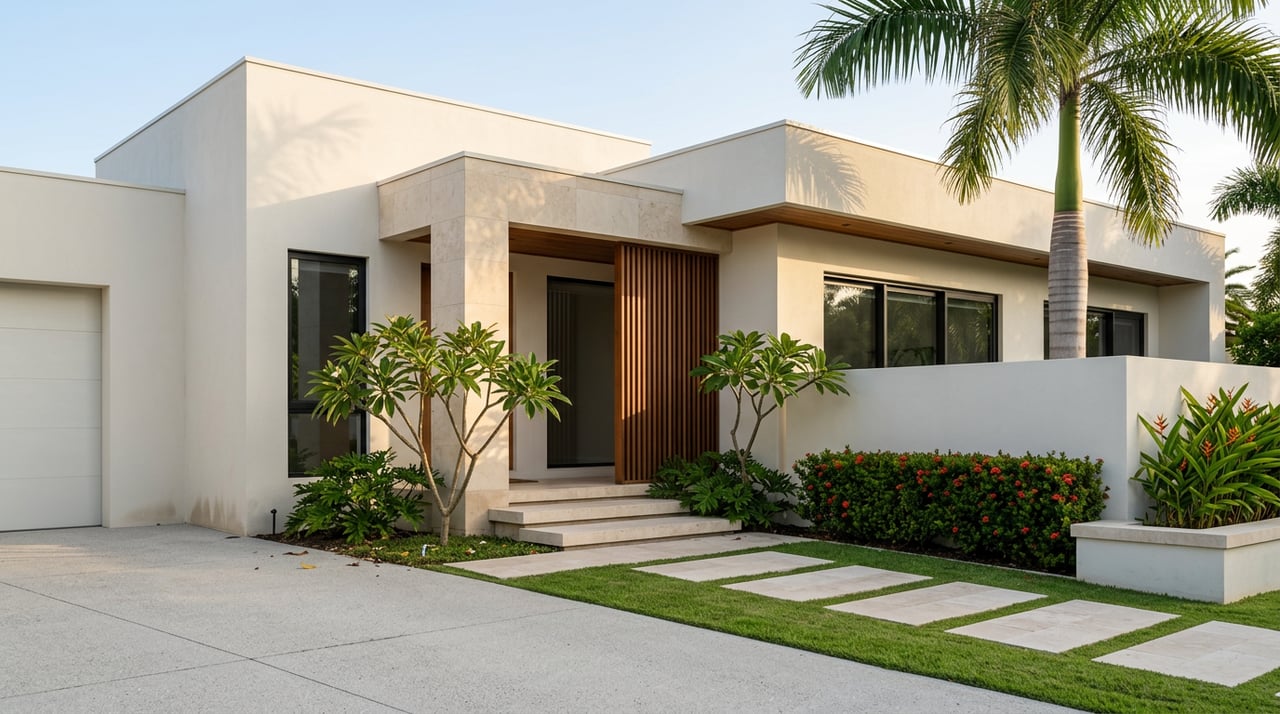
Well-known gated communities like Torrimar, La Villa de Torrimar, Garden Hills, Summit Hills, and Arboleda reflect Guaynabo’s luxury suburban side. Expect larger lots, sport courts or private parks in some communities, plus controlled access and a focus on privacy. These areas are popular with buyers who want space for indoor-outdoor living and proximity to schools and shopping.
Historic core near Caparra
Closer to the historic heart, Caparra and parts of Pueblo Viejo mix older housing stock with commercial corridors. The nearby archaeological site, known as Ruinas de Caparra, adds depth to Guaynabo’s story. You can read more about the site’s history and museum presence at the Caparra archaeological site.
Day-to-day essentials
Shopping and groceries
You will find most weekly needs within a short drive. San Patricio Plaza anchors the core retail cluster inside Guaynabo, with supermarkets, pharmacies, and casual dining nearby. A few minutes farther, The Outlets at Montehiedra and Montehiedra Town Center continue to evolve as a regional hub, including recent retail investments reported for the center’s tenant mix. See the latest update on the Montehiedra retail expansion and investment.
Healthcare access
Guaynabo offers a network of ambulatory clinics, urgent care, and specialist offices, with larger hospitals a short drive away in adjacent municipalities. A local provider directory can help you vet options and plan routine care. For reference, explore this provider directory overview and confirm details directly with your chosen providers.
Schools and education
Families often cite access to private schools as a deciding factor. Options that are commonly discussed include the Baldwin School of Puerto Rico and Colegio Marista, along with public schools under the Puerto Rico Department of Education. If schools are a priority, verify admissions timelines, capacity, transportation, and grade coverage directly with each institution. Start by checking the Baldwin School of Puerto Rico.
Getting around and commute notes
Highways and driving
Guaynabo connects efficiently to PR-22 and PR-20, which feed into central San Juan. In light traffic, key destinations in the metro can be 15 to 30 minutes away by car. The mean commute time of roughly 24 to 25 minutes from the U.S. Census QuickFacts is a helpful benchmark, but rush-hour and incident-related delays can shift travel windows. Always test your route during your real commute hours.
Tren Urbano access
Parts of Guaynabo sit near Tren Urbano stations, including Martínez Nadal and Torrimar, which can streamline trips to job centers in Hato Rey and San Juan. Coverage is not uniform across the municipality, so many residents still rely on cars for daily errands. For a station overview, see the Martínez Nadal station detail.
Airport and coastal escapes
Luis Muñoz Marín International Airport (SJU) is generally a 20 to 30 minute drive from central Guaynabo in non-peak traffic. Popular beach spots in Condado or Dorado are accessible in roughly 20 to 50 minutes depending on your destination and the time of day.
Housing options and what to expect
Guaynabo’s housing stock spans single-family homes on larger lots, gated communities with amenities, mid-rise and low-rise condos near shopping, and older single-story homes in some barrios. Many higher-end properties highlight hurricane-resilience systems like generators, cisterns, and impact windows. Confirm the age and maintenance of these systems during inspections, since they influence comfort and insurance.
Use the Census median home value of about 226,800 dollars as a broad affordability anchor. Current listings in gated communities often price higher based on lot size, finishes, and amenities. If you prefer a turnkey condo close to conveniences, you will find options near San Patricio and other commercial nodes. If you want privacy and more outdoor space, explore established gated enclaves.
Lifestyle and recreation
History at Ruinas de Caparra
Guaynabo holds a unique place in Puerto Rico’s early colonial history. The Ruinas de Caparra archaeological park and museum offer a window into the island’s early Spanish settlement, creating a meaningful cultural stop close to home. Learn more through this overview of the Caparra archaeological site.
Green pockets and quick nature breaks
While Guaynabo is suburban, you can still tap into green corridors and nearby forested areas for short hikes or weekend outings. Residents often mention destinations like La Marquesa in the broader metro area for easy access to nature. For family-friendly ideas around the metro, browse this guide to nearby parks and things to do.
Dining and social life
Inside Guaynabo, the San Patricio cluster is a reliable go-to for casual dinners, coffee meetups, and errands in one loop. When you want a bigger city scene, central San Juan and Condado are a short drive east for nightlife and waterfront dining. Many residents enjoy the balance of quiet home life with quick access to the metro’s cultural calendar.
Who chooses Guaynabo and why
Relocating families often pick Guaynabo for its suburban feel, gated options, and proximity to schools and daily services. Professionals who split time between home offices and San Juan appreciate the highway access and manageable commutes. The presence of Fort Buchanan on the metro’s western side also supports local housing demand and services. If this may be relevant for your move, review this snapshot of Fort Buchanan.
If you currently live in central San Juan, expect a tradeoff. Guaynabo offers more space and privacy, while you give up immediate beach walkability. Many buyers find the balance worth it because they can reach the city’s restaurants and events in minutes, then return to a quieter neighborhood at night.
Smart buyer checklist for Guaynabo
- Commute test: Drive your route during actual peak hours both morning and evening to confirm the real travel window.
- Utilities and resiliency: Ask for generator and cistern details, roof age, and any storm-related repairs. These systems affect comfort and insurance.
- Insurance and taxes: Review flood maps, confirm insurability, and verify CRIM property-tax billing history. Budget for HOA fees where applicable.
- HOA and rules: Request current HOA budget, reserves, and any recent or upcoming special assessments before committing.
- Schools and capacity: If schools are a priority, contact each one early to confirm admission calendars and transportation options. A starting point is the Baldwin School of Puerto Rico.
Ready to take the next step or tailor this guidance to your timeline, budget, and wish list? Schedule a confidential consultation with The Rode Collection - Rosalyn Gerardino to map the neighborhoods that fit you best and design a smooth, well-managed move.
FAQs
What is the cost of living in Guaynabo compared to San Juan?
- The Census median home value is about 226,800 dollars in Guaynabo, but many active listings in gated enclaves price higher, while day-to-day costs feel similar to nearby metro areas.
Are Guaynabo neighborhoods walkable or car-dependent?
- Many neighborhoods are car-dependent for errands, though the San Patricio area offers a more walkable pocket with shops and dining in one place.
How reliable is public transit for commuting in Guaynabo?
- The Tren Urbano serves nearby stations like Martínez Nadal and Torrimar, yet coverage is not uniform, so many residents still drive for daily commutes and errands.
How long is the commute from Guaynabo to central San Juan?
- In light traffic, 15 to 30 minutes is common by car, and the Census shows a mean commute near 24 to 25 minutes, but rush-hour conditions can extend that.
What types of homes are most common in Guaynabo?
- Expect gated single-family communities with amenities, mid to low-rise condos near shopping, and older single-story homes in some barrios, with many higher-end homes featuring resilience systems.