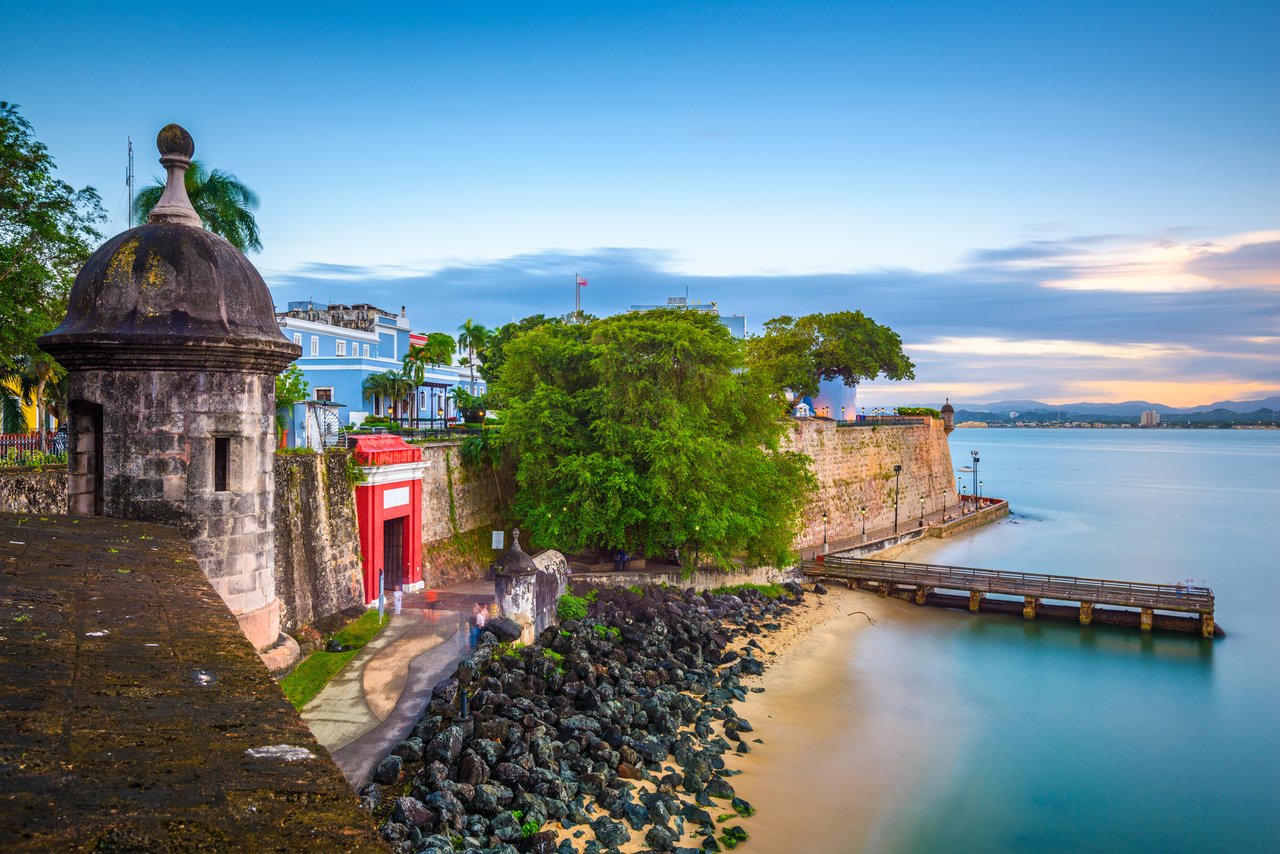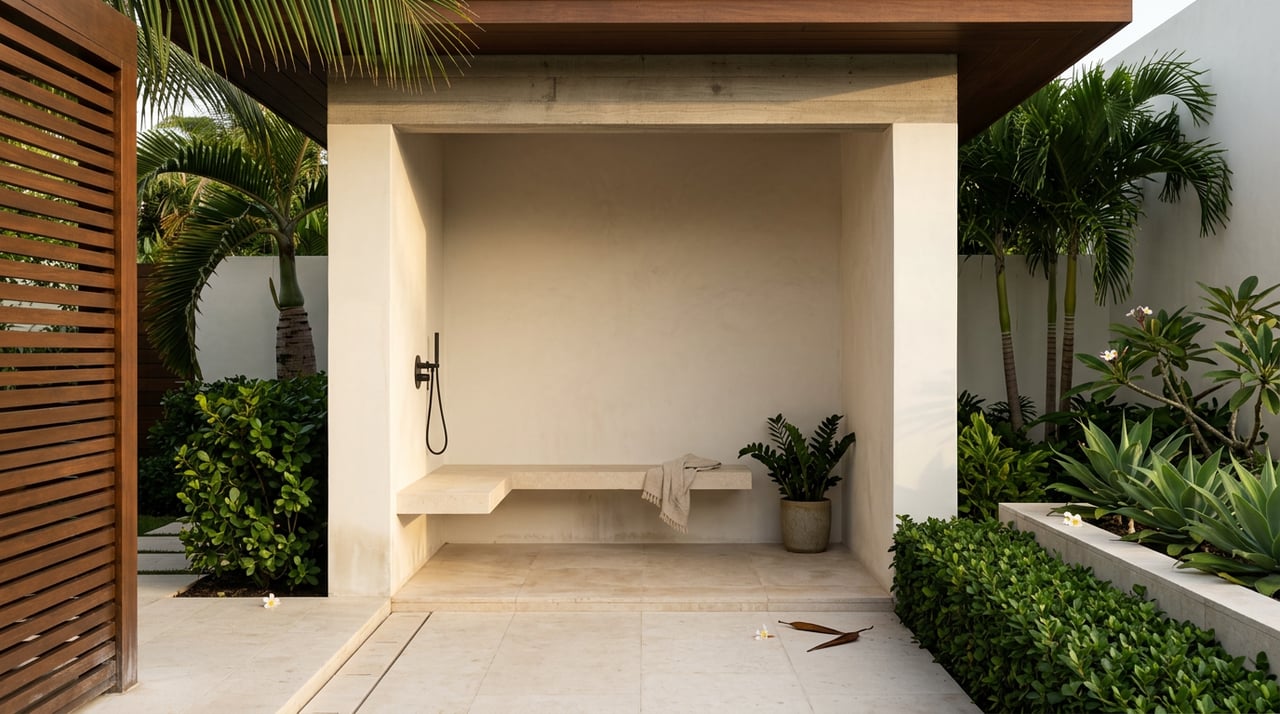
The visitor calendar treats July and August as Bahía Beach's shoulder season. The biological calendar treats them as the main event. If you already live inside the gate, the second calendar is the one worth paying attention to, and most of it is happening within a short walk of your front door.
This is a note for residents, not prospects. It assumes you know where the Breezeway is, that you have used the Boathouse at least once, and that you have driven past the La Paseadora signs on PR-3 without stopping.
The season the resort brochure does not sell
Sea turtle nesting in Puerto Rico runs on a fixed window. The U.S. Fish and Wildlife Service defines the season as March 1 through November 30, with a qualified sea turtle monitor surveying beach work areas during the early morning hours for possible sea turtle nests. That is the regulatory frame. The on-the-ground reality at Bahía Beach is more specific: nestings begin in April, the baby leatherbacks start to hatch, and hatchings continue through the end of the summer. July and August are the payoff months.
The scale is not incidental to the property. A recent Bahía Beach season logged 14 nesting sites, each containing between 80 and 100 eggs, with 60 to 80 of them hatching into baby leatherback sea turtles that return to the sea. Multiply that across the two miles of beach you already have access to and the arithmetic is uncomfortable to ignore.
A few things worth knowing if you are new to a summer here:
- Females usually only nest every two or three years because it takes them that long to build up enough energy to nest again. The turtles arriving at your beach this year are, in effect, on a multi-season rotation.
- Once female leatherbacks have aged to approximately 20 years, they return to the beach where they were born to nest their own eggs. The beach in front of your residence is being used as a generational site.
- Bahía Beach follows strict protection criteria and works directly with a certified environmental specialist who oversees site activity, with a team monitoring nests to alert everyone when the hatching process begins.
The last point is the one to act on. If you are not on the alert list through the Soul of Bahia Foundation, the season is happening around you without you.
Why the 483 acres make this legible
Most Caribbean resort communities are amenity-first with a garden wrapped around them. Bahía Beach was assembled the other way. The property sits on a former coconut farm between the El Yunque National Forest and the Espíritu Santo River State Preserve, on 483 acres with two miles of secluded beach. That location is the reason a summer here reads the way it does.
The ecological credentialing is not a marketing flourish. The resort holds Audubon Certified Gold Signature Sanctuary status, a designation shared by only a handful of resorts worldwide. The surrounding region is home to more than 240 unique species of flora and fauna, including tropical birds and leatherback turtles. That count is what a resident actually experiences on a July morning walk between the beach and the boathouse.
Inside the gate, the infrastructure that makes summer usable is already paid for as part of living here:
- Four miles of nature trails within the 483-acre gated resort, walkable or bikeable.
- A Boathouse with equipment and gear for lake adventures, biking, fishing, and kayaking.
- Guided tours along the mangrove-lined waterways that lead to the salt water estuary, coordinated through concierge.
The mangrove estuary is the piece most people underuse. It is a five-minute paddle from where you already keep your car, and July's late-afternoon light on the waterways is the reason the professional photographers are there and you are not.
A resident's week in July, if you actually run it
The naturalist-guided programs at the property are on a fixed weekly cadence, and most residents book them the way they book restaurants: once, on a holiday, with visiting relatives. Run through them in a single week and the property starts to feel different.
- Thursday, 10:30 a.m. A complimentary tour that takes about an hour, a good way to start the day.
- Thursday through Monday, 2:30 p.m. A 45-minute kayak through Tarpon Lake, with a maximum of 12 people, where you can see herons, egrets, iguanas, and freshwater turtles alongside numerous species of fish.
- Tuesday, 6:30 p.m. A 45-minute sunset row for up to 12 people, timed for the shift between daytime and nocturnal wildlife activity.
- Saturday, 9:00 a.m. The longest tour, 2.5 hours, meeting at the Breezeway with transportation, snacks, and water provided, venturing deep into the rainforest with a cap of 10 people for a donation fee.
The Saturday rainforest tour is the one to prioritize if you have to choose. It is the only weekly slot for it, and the cap is small enough that residents on the same block have gone months without realizing they were both on the waitlist.
Two additional pieces worth folding in. The tours are guided by biologists and environmental interpreters who share expertise about the plants, trees, birds, and animals in the forest, so the information density is higher than the average resort activity. And the resort's commitment to environmental care extends to volunteer projects available through the Soul of Bahia Foundation. The volunteer route is the one that gets you closer to the nest monitoring itself.
The 15-minute drive most residents skip
The Espíritu Santo does not stop at the property line. It is the reason the property line is where it is.
Río Grande is home to the only navigable river in Puerto Rico, the Río Espíritu Santo, which starts high in El Yunque, runs down the mountain for miles, flattens out, and reaches the Atlantic. The stretch you can put a boat on begins a short drive from the Bahía Beach gate. La Paseadora offers 9 kilometers of nature reserve along that stretch, with trained personnel offering information about the ecosystem.
Practical details for a Saturday plan:
- The operation sits on the north side of Route 3 at KM 25.2, a little east of Road 186 and the entrance ramp for Route 66.
- The trip runs about two hours, on a boat with a capacity of 20 people.
- This is a family-operated tour on what is now a Natural Reserve, and the guide, Evelyn, was born and raised there and knows the ins and outs of the river.
- Tours generally run in Spanish and last about 1 hour 45 minutes to 2 hours; call ahead to ask about English-language options or a translator.
If you would rather paddle than sit, a typical two-person kayak run heads upriver to a small waterfall and then downriver about 2.5 miles to the ocean, roughly 4.5 miles total, with herons, kingfishers, ducks, and iguanas along the way. The current is mild enough that it is not a difficult paddle, though you will feel it by the time you return. That is a legitimate morning activity for a resident who has been doing the same beach walk for three years.
The scenic point is worth the drive on its own. The Río Espíritu Santo begins high in El Yunque, and an itinerary can be built around either a leisurely boat ride along the river bend or chasing waterfalls upstream. There is a version of a Bahía Beach summer that never involves the ocean at all.
Small etiquette that matters this season
Two behaviors worth being deliberate about between now and November, because they are the ones neighbors notice.
The first is lighting. Non-friendly sea turtle lighting is considered harassment toward these endangered and threatened species. Terrace lights facing the beach, in July, are not a neutral choice. Interior lights visible through unshaded oceanfront glazing count too. This is the single easiest correction to make on a residence you already own.
The second is what stays on the sand overnight. USFWS guidance for tourist, residential, and hotel projects calls for removing beach chairs, umbrellas, surfboards, and other recreational items from the beach on a daily basis. The property staff handle the resort loungers. The item that gets left is the private paddleboard walked down from a residence and set against a dune.
Neither of these is a new rule. Both are the kind of thing that becomes visible only when the season starts producing tracks in the sand at 5:30 a.m., which, for the next several weeks, it will.
A calendar, not a checklist
The through line here is that summer at Bahía Beach is not a quieter version of winter. It is a different property. The Audubon designation, the 483-acre master plan, the two-mile beach, the naturalist staff, the mangrove waterways, and the river reserve down the road were all assembled around a set of months the visitor calendar treats as off-peak. Residents who run their July on the biological schedule end up using the community they already bought at a completely different intensity.
If you would like a closer look at how residences at Four Seasons Bahía Beach are used year-round, or a discreet conversation about a listing in the community, The Rode Collection is available to schedule a private consultation.